
Ketamine, first developed in the 1960s as a surgical anesthetic, has become a substance of remarkable medical and therapeutic interest. Originally used to induce dissociative anesthesia, ketamine creates a trance-like state that allows patients to undergo procedures without pain while remaining partially conscious. Its unique mechanism of action sets it apart from traditional anesthetics, as it primarily affects the N-methyl-D-aspartate (NMDA) receptor in the brain’s glutamate system. This action not only produces anesthesia but also influences mood, perception, and cognition, paving the way for its emerging use in mental health treatment.
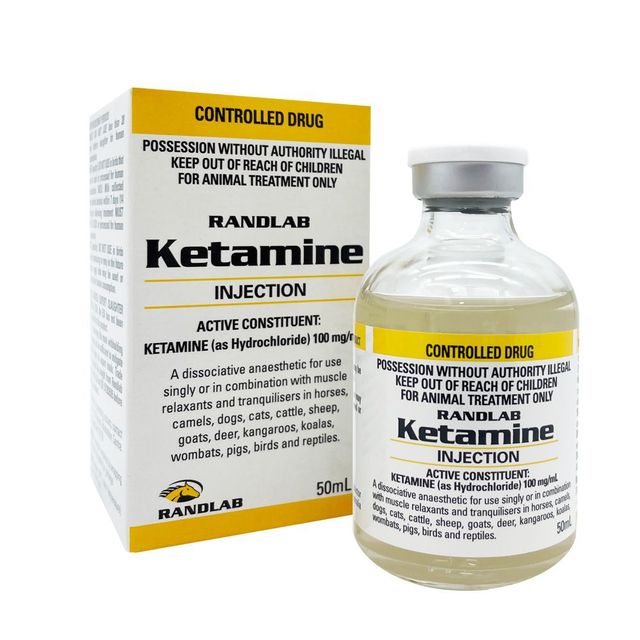
Over the past two decades, ketamine has gained recognition as a potential solution for depression, particularly for individuals who do not respond to conventional therapies. Unlike standard antidepressants, which may take weeks to become ketamines near me effective, ketamine can provide rapid relief from depressive symptoms within hours. This fast-acting property has made it a valuable option for patients with treatment-resistant depression or those experiencing acute suicidal thoughts. Administered intravenously or as a nasal spray in clinical settings, ketamine therapy is carefully monitored to ensure safety and optimize outcomes. In addition to depression, research suggests that ketamine may help manage anxiety disorders, post-traumatic stress disorder (PTSD), and chronic pain conditions. Its ability to alter neural pathways associated with mood regulation and pain perception positions it as a versatile therapeutic tool, although scientists are still investigating the precise mechanisms behind its effects.
Despite its benefits, ketamine is not without risks. Recreational use, often known as “Special K,” can lead to serious health issues, including cognitive impairment, bladder problems, and dependence. High doses may trigger hallucinations, disorientation, and intense dissociation, making unsupervised use dangerous. In medical settings, however, controlled dosing and professional supervision greatly reduce these risks. Researchers continue to study the long-term impact of repeated ketamine treatments and are exploring methods to improve safety, dosing protocols, and delivery systems.
The story of ketamine highlights the complex balance between risk and benefit in modern medicine. Its transformation from a surgical anesthetic to a groundbreaking mental health therapy illustrates how drugs once thought to have limited use can find new life in entirely different contexts. While ketamine is not a cure-all, it represents an important advancement in treating conditions that have historically been challenging to manage. Its rapid effectiveness, combined with ongoing research, offers hope for patients and signals a broader shift in how mental health treatments are approached, merging innovative science with clinical care to improve lives in profound ways.